How to Prepare Your North Palm Beach HVAC System for Hurricane Season
Hurricane season brings more than strong winds to coastal South Florida. Heavy rain, airborne debris, power interruptions, salt air, and prolonged humidity can affect cooling equipment before, during, and after a storm. Planning for hurricane HVAC preparation in North Palm Beach, FL, can help homeowners reduce avoidable strain on a system that already works hard through much of the year.
The goal is to address equipment condition before threatening weather arrives and know when professional service is appropriate afterward. A trained HVAC technician can inspect components, identify wear, and determine whether the system is in suitable condition for the demands that often follow a storm.
Why Hurricane HVAC Preparation in North Palm Beach, FL, Matters
Outdoor HVAC equipment is built to operate outside, but hurricane conditions can expose it to forces far beyond normal South Florida weather. Wind-driven debris may damage condenser fins, panels, wiring, or refrigerant lines. Flooding and storm surge can also affect electrical and mechanical components.
North Palm Beach homes face another concern: cooling demand often returns quickly after a storm passes. If power is restored while equipment has hidden storm damage, operating the system without an inspection may lead to additional problems.
Schedule a Preseason HVAC Inspection
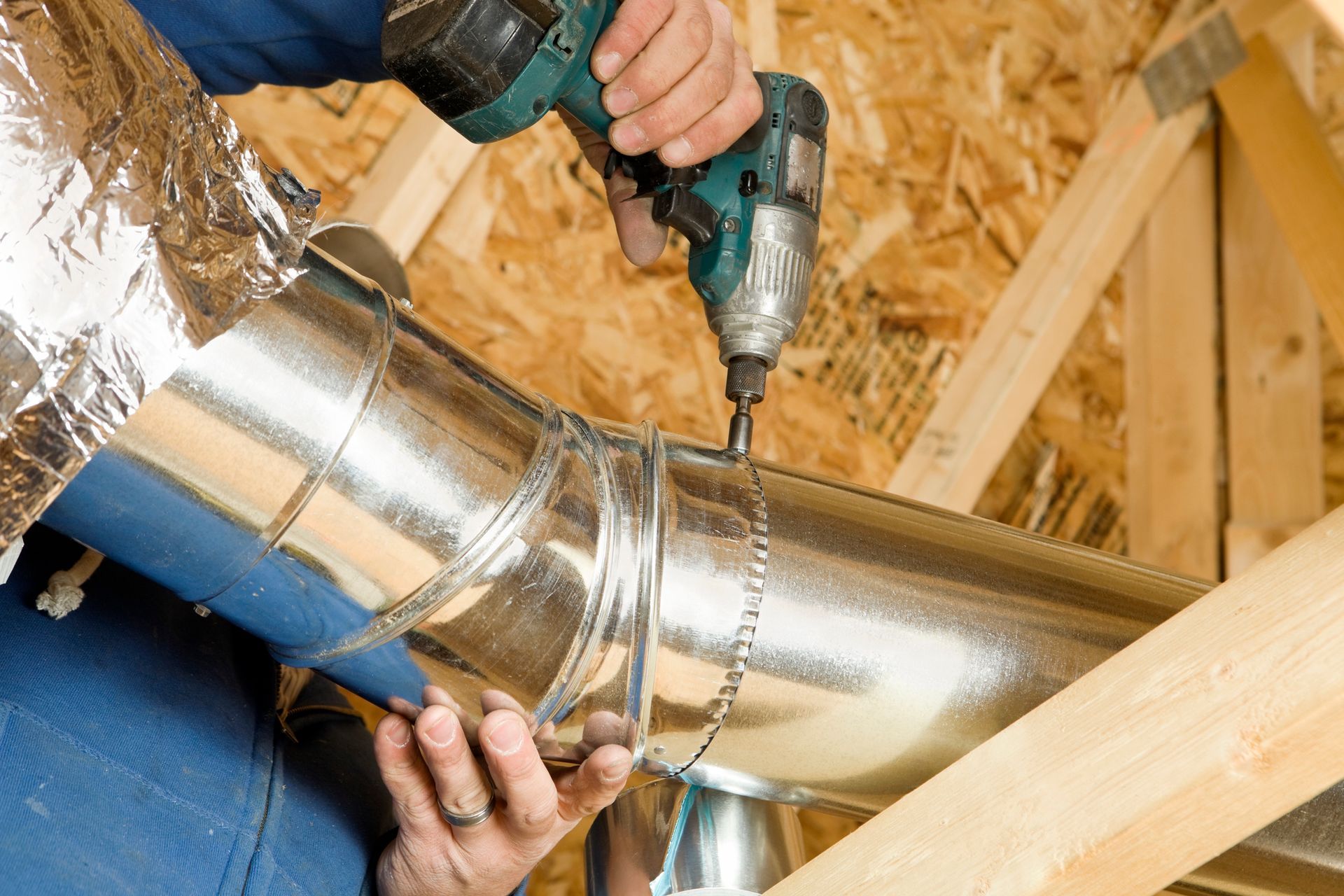
One useful step homeowners can take is scheduling professional maintenance before hurricane activity increases. During an inspection, a technician can assess the outdoor unit, electrical connections, drainage, airflow, and general system condition.
This is especially valuable when equipment has already been showing signs of trouble, such as unusual noises, inconsistent cooling, frequent cycling, or difficulty controlling indoor humidity. Addressing those symptoms early can reduce the chance that an existing issue becomes more disruptive during an outage or immediately after a storm.
For homeowners planning hurricane HVAC preparation in North Palm Beach, FL, preseason service also creates an opportunity to ask how their specific system should be handled if a hurricane watch or warning is issued.
Pay Attention to the Outdoor Unit
The condenser is one of the HVAC system components most exposed to hurricane conditions. Loose objects around the property can become windborne debris, and nearby vegetation may create additional risk during severe weather.
Homeowners should follow local emergency guidance for securing outdoor property and leave HVAC-specific protection or modification to qualified technicians. Improvised covers, tie-downs, or alterations can restrict airflow, damage equipment, or create other problems if they are not appropriate for the system.
If the outdoor unit appears loose, corroded, damaged, or poorly supported before storm season, a technician should evaluate it. Coastal salt exposure can contribute to deterioration over time, making routine equipment checks especially relevant in North Palm Beach.
Plan for Power Interruptions
Hurricanes can cause outages, voltage fluctuations, and sudden restoration of electrical service. HVAC equipment contains sensitive electrical components, so power-related events can affect system operation even when the unit never takes direct storm damage.
Homeowners should follow utility and emergency-management instructions during outages and avoid experimenting with electrical panels or HVAC wiring. If the system does not restart normally after power returns, professional evaluation is safer than repeated attempts to force it back into operation.
A thorough approach to hurricane HVAC preparation in North Palm Beach, FL, should account for both pre-storm equipment condition and post-storm operation.
Have the System Checked After Significant Storm Damage
Once local officials indicate that it is safe to return or move around the property, visible HVAC damage deserves professional attention. Standing water around equipment, displaced components, crushed panels, damaged refrigerant lines, or heavy debris around the condenser are reasons to keep the system off until a technician evaluates it.
Storm damage is not always easy to see. Electrical components, drainage systems, and internal parts can be affected without dramatic exterior damage. If the HVAC system behaves differently after a hurricane, an inspection can help determine whether service is needed.
Post-storm evaluation is particularly important if flooding reached the equipment. Energizing flood-damaged HVAC components can create safety concerns and may worsen equipment damage.
Keep Indoor Humidity in Mind
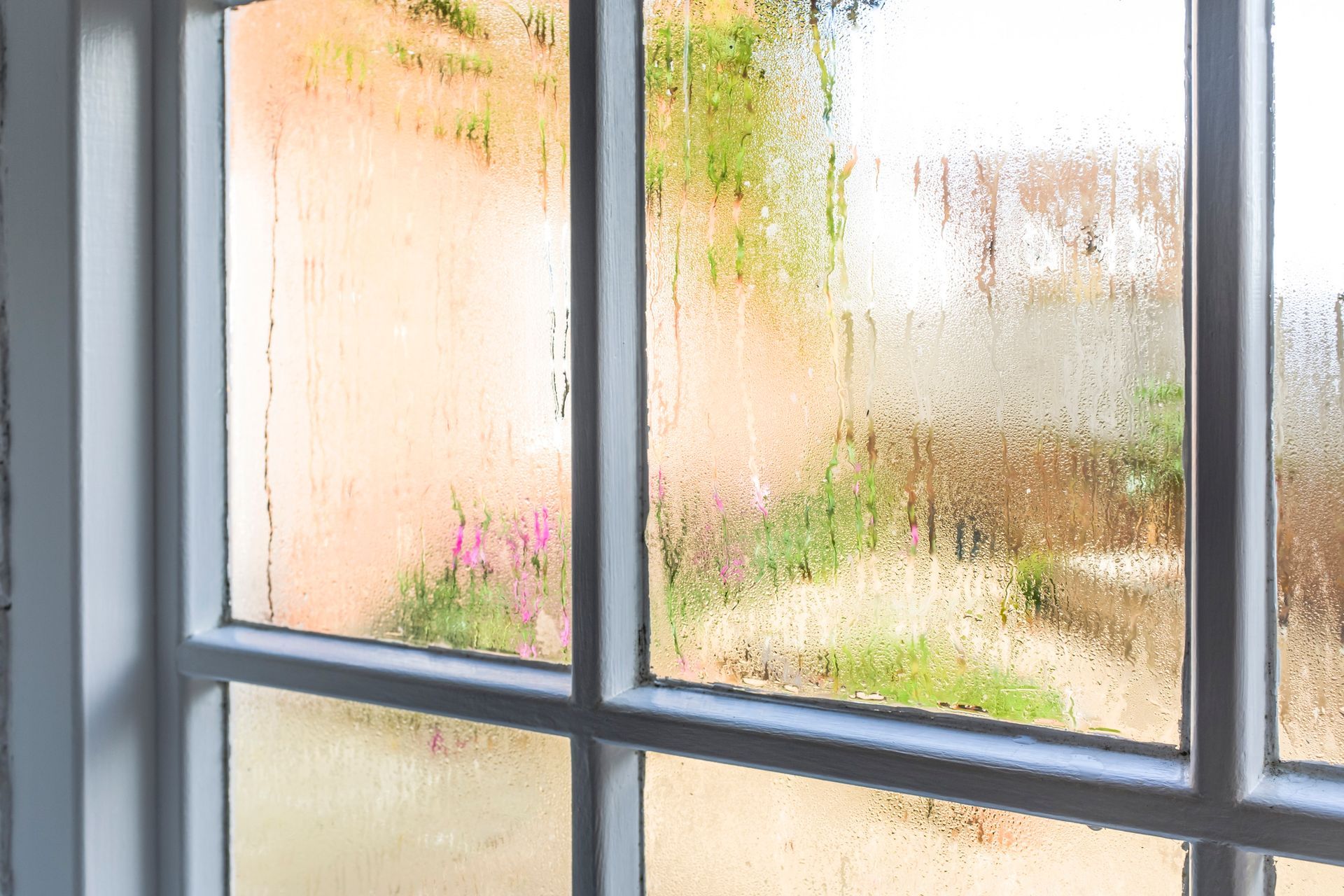
After a hurricane, heat and humidity can return long before daily routines do. Extended outages may allow indoor moisture levels to rise, while a damaged or poorly performing AC system may struggle to remove humidity once power is restored.
If the system runs but the home remains unusually humid or uncomfortable, a technician can check whether storm conditions affected airflow, drainage, or cooling performance.
Professional hurricane HVAC preparation in North Palm Beach, FL, can help homeowners enter storm season with a clearer picture of system condition and fewer unresolved HVAC concerns.
Prepare Your HVAC System With IceHouse Comfort Solutions
At IceHouse Comfort Solutions, we help North Palm Beach homeowners maintain cooling systems built around the demands of coastal South Florida living. Our technicians can inspect your HVAC equipment, identify performance concerns, and provide preventative maintenance before severe weather puts additional stress on your system.
Schedule service with IceHouse Comfort Solutions to prepare your home’s HVAC system for hurricane season and support dependable comfort before and after the next major storm.